


Reducing living space can be an important step, especially when you want to simplify your life without losing what really matters. It’s possible to downsize your home without losing essentials, memories and comfort by taking the right approach. Discover the best downsizing strategies for moving to a smaller home, decluttering or moving on to a new stage in life. The aim is to keep what’s valuable and get rid of what’s no longer needed.
The importance of reducing living space
Many people reduce the size of their living space to save money, reduce stress or improve their quality of life. A smaller space can be easier to maintain, allowing more free time and reducing financial constraints. However, the process requires careful planning to ensure that essentials and significant possessions are not lost. Downsizing can also be an opportunity for a fresh start. Getting rid of excess possessions creates a simpler, more organized living environment. This can improve mental well-being and provide a sense of relief from clutter and chaos. What’s more, reducing living space can help homeowners free up cash by reducing mortgage payments, utility costs and property taxes.
Steps to effective space reduction
1. Set clear objectives
Before getting started, determine your objectives. Are you looking to create a more open environment? Do you need to move to a smaller space? Understanding your motivations will help guide your decisions. Having a clear vision of your future living space makes the process easier. Consider factors such as available storage space, accessibility and the atmosphere you want your home to have. This will help you make practical decisions when sorting through your belongings.
2. Measure your new space
Before deciding what to keep, take precise measurements of your new space, including room dimensions, ceiling heights, doorways and built-ins. This will help you determine which furniture and objects will fit comfortably and functionally. Consider size and layout: large pieces of furniture that work well in a spacious home may seem cumbersome or impractical in a smaller one. Think about circulation and how each item will contribute to the overall aesthetics and usability of the space. In addition, taking measurements in advance can help you plan storage solutions, ensuring that all the items you bring in have a designated place.
Sort items by priority
Go through your possessions and divide them into categories:
● Keep
● Give or sell
● Disposable
This step allows you to focus on what really matters and avoid superfluous items. Consider functionality and emotional value. If an object serves no purpose and has no sentimental value, it may be time to part with it.

Measure your surface and make a list of what you’re keeping.
3. Start with one piece at a time
Working on one space at a time makes the process more manageable. Start with the less sentimental spaces, such as the kitchen or bathroom, before moving on to those containing personal memories. Breaking the process down into smaller tasks helps to avoid becoming overwhelmed. For example, start by decluttering kitchen cupboards before moving on to larger storage spaces. Progressing step by step makes downsizing more achievable.
4. Use the “one-year rule
If you haven’t used an item in the past year, chances are you no longer need it. This simple rule makes it easier to get rid of items you no longer need. Clothes, kitchen accessories and leisure equipment are all objects that accumulate over time. If an item has gone unused for a year, consider giving it to someone who will use it. Simple improvements like these will make your home more functional.
5. Keep sentimental objects in a thoughtful way
Photos, letters and special gifts are the stuff of memories. Instead of keeping everything, select a few significant pieces and consider space-saving digital storage of documents and photos. Creating an album or memory box lets you cherish sentimental items without cluttering up your new space. Digital storage is also a great way to preserve memories while reducing physical clutter.

An excellent strategy for de-cluttering without losing; what counts is sorting.
Challenges you or your loved one may face
Older people often face emotional and physical difficulties when moving to a smaller home. Sorting through a lifetime of possessions can seem insurmountable. Physical limitations can also make packing and moving difficult. What’s more, adapting to a new environment can take time, especially if the move involves leaving a home you’ve occupied for a long time. Support from family, friends or professional organizers can make the challenges faced by older people when moving less anxiety-provoking. Emotional attachment to possessions is another obstacle. Many older people associate their possessions with cherished memories, making it difficult to let go of them. Encouraging them to focus on the positive aspects of decluttering, such as reduced maintenance and improved accessibility, can ease the transition.
Intelligent storage solutions
1. Versatile furniture
Furniture that doubles as storage, such as beds with drawers or ottomans with compartments, optimizes space while keeping essentials close at hand.
2. Digital storage
Digitizing documents and photos reduces the need for physical storage, while keeping important information accessible. Another interesting storage solution is to invest in modular storage systems. These customizable units enable shelves, drawers and compartments to be arranged according to individual needs.
How to let go without regret
Remember why you’re downsizing. A simpler, more organized life brings less stress and more freedom. Donate or gift items to family, friends or charities. Knowing that your possessions will be appreciated by others will help you to let them go. Recording memories with photos can help preserve sentimental value without having to keep all the physical objects. Another way to part without regret is to create a “memory album”. Take photos of significant objects and write brief descriptions of their significance. This keeps memories clutter-free.
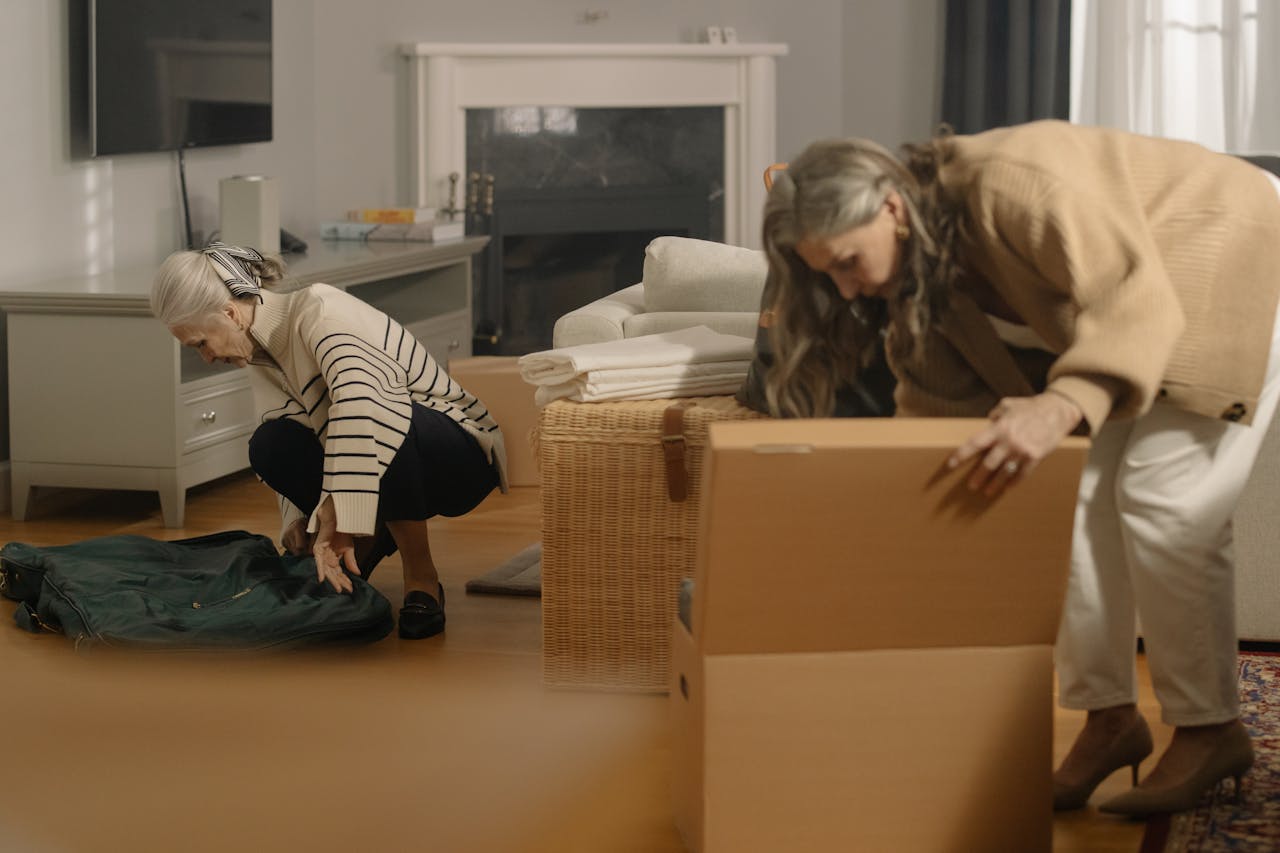
Involve your family in the process and relive the memories.
Final thoughts: Reducing living space without losing what matters most
Reducing the size of your space without losing your possessions and memories requires a balance between practicality and sentimentality. Focus on items that have a purpose or bring you joy. Thoughtful planning ensures a smooth transition without feeling deprived. It also helps to involve family members in the decluttering process. By setting clear goals, establishing priorities and using smart storage, you can create a functional and useful space. Family members can provide support, help with decision-making and even take charge of some of the items that are dear to them.