


When you enter the world of property buying, navigating guided tours becomes an essential skill. It’s not just about walking through a series of rooms, but taking a close look at each space to understand its potential and pitfalls. This guide will help you navigate property tours effectively, focusing on key questions to ask and features to evaluate.
Preparing for your visit
The search for the ideal home begins long before the visit. Preparation is essential. Start by defining your needs and desires. What puts you off? What can you compromise on? This clarity will help you stay focused during the visit.
In addition, research the property online to find out as much as you can about its history and surroundings. This background knowledge will be invaluable when you ask questions during the tour.
The tour experience
First impressions and more
First impressions are important when you begin your visit, but they need to be balanced by a critical eye. Pay attention to how the place makes you feel, and be prepared to look beneath the surface. A beautifully staged room may hide underlying problems, so it’s important to remain objective.
Understanding structure and layout
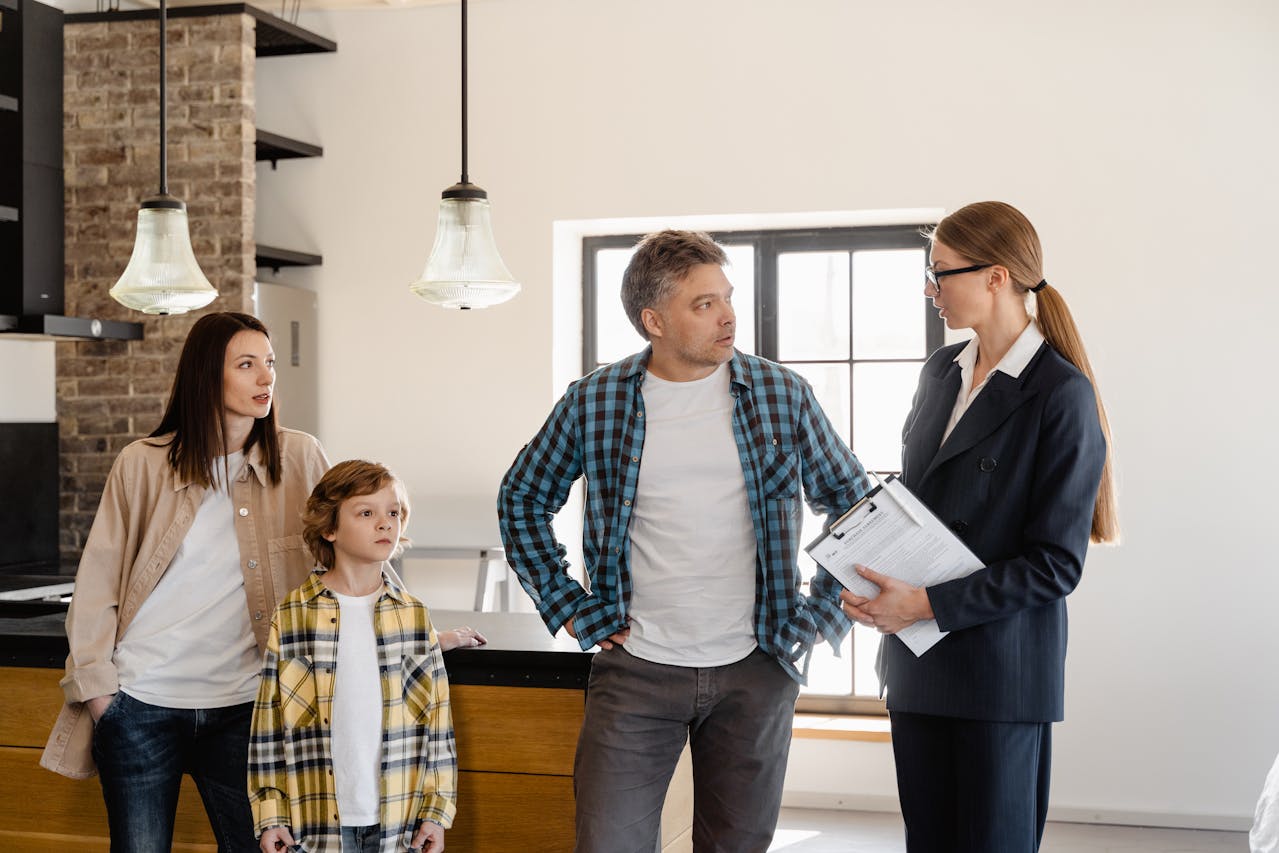
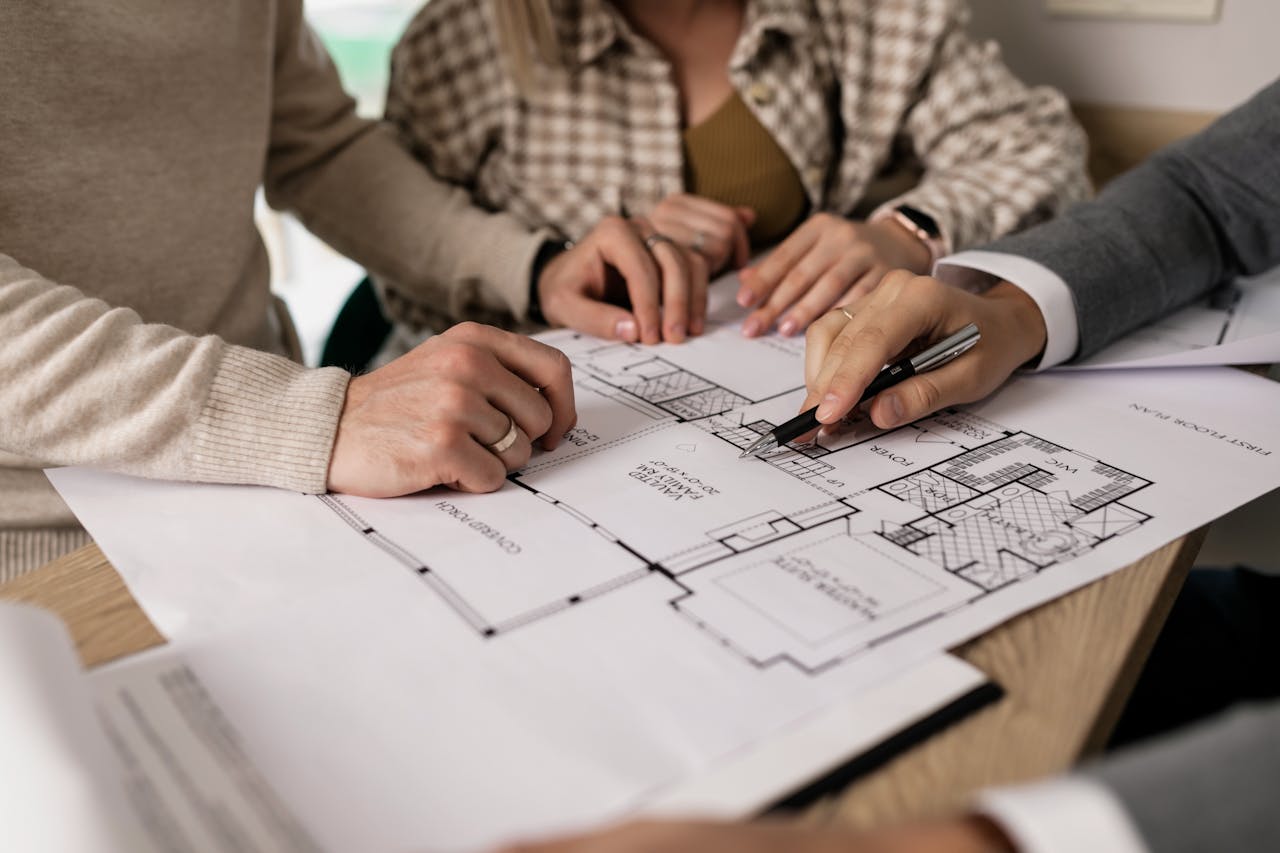
The structure and layout of a home are its cornerstones. When you visit a house, pay attention to its layout. Does it meet the needs of your lifestyle? Can you move easily from room to room, or are there awkward spaces that don’t seem to fit?
Be equally vigilant about the integrity of the structure. Check for visible cracks or signs of settling in walls and foundations, which may foreshadow more serious problems.
Assessing the interior
- General layout: Does the layout of the house suit your lifestyle? Are the rooms large enough to meet your needs?
- Windows and doors: Check for draughts, which can be a sign of poor insulation.
- Kitchens and bathrooms: These are often the most expensive rooms to renovate, so you need to pay close attention to their condition.
Evaluating systems and their functionality
The functionality of a property is largely determined by its essential systems. Find out about heating, plumbing and electrical systems. These are not only a matter of comfort, but also of safety.
Key systems to inspect
- Heating and air conditioning: Ask for the year the heating, ventilation and air conditioning system was installed and the date of the last service.
- Plumbing: Check for leaks and water damage, and check water pressure.
- Electrical system: Make sure your electrical system is up to code and can meet your needs.
Master parts inspection
When viewing a property, special attention should be paid to key rooms such as the kitchen and bathroom. These rooms are essential to the functionality and comfort of a home, and can be costly to renovate. Here’s what to look for in each of them.
The kitchen
The kitchen is often considered the heart of the home and can be a decisive factor for many buyers. When evaluating a kitchen, focus on the following points:
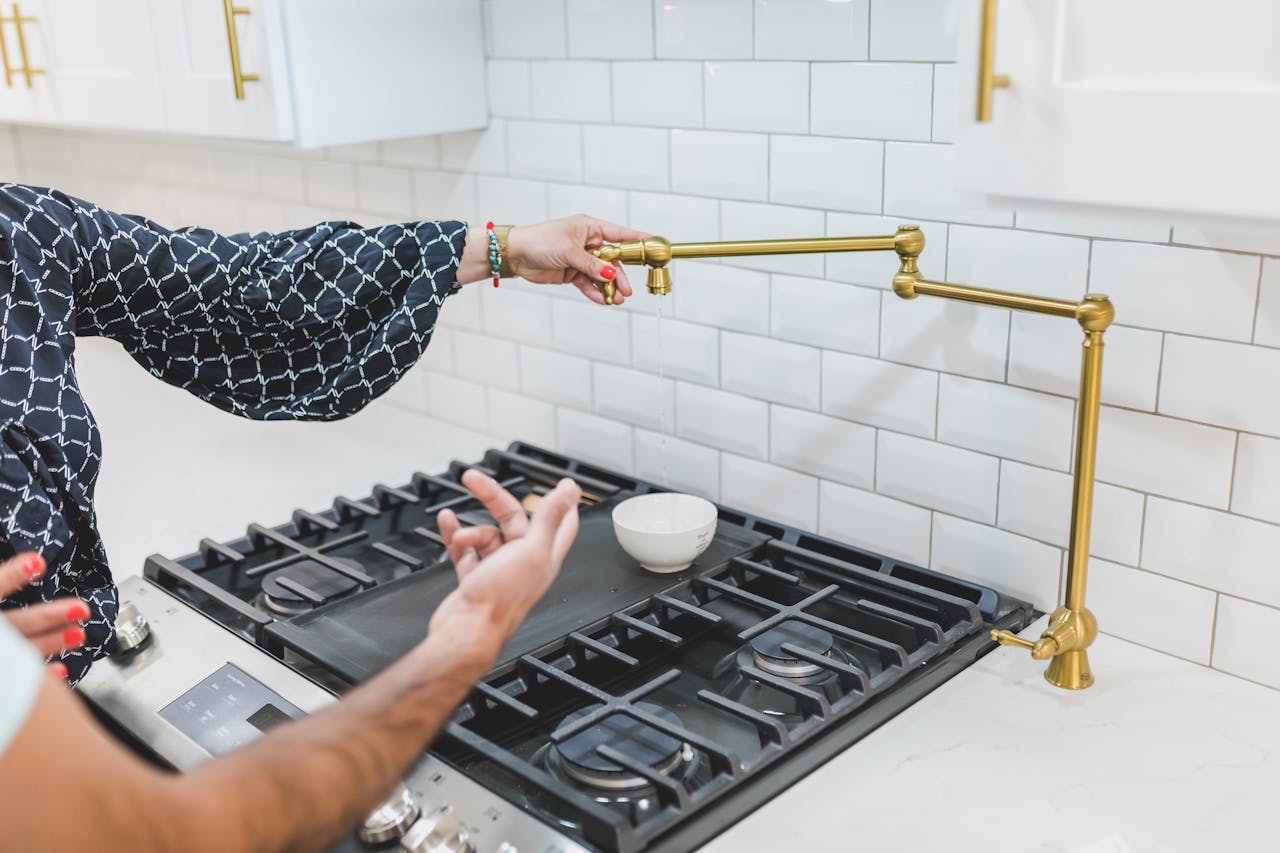
- Layout and space: Does the layout of the kitchen suit the way you cook? Is there enough worktop and storage space to meet your needs? Take into account the work triangle – the distance between the stove, sink and refrigerator – and check whether it allows you to move around easily.
- Cabinets: Examine the condition and quality of the cabinets. Are they sturdy and well maintained? Check for signs of wear and tear, and consider the cost of replacement or repair, if necessary.
- Countertops and sinks: Assess the materials and condition of countertops and sinks. Look for cracks, stains or scratches. Materials such as granite or quartz can add value, but they can also be more expensive to replace or repair.
Bathrooms
Bathrooms are essential to daily comfort and can greatly influence your experience in a home. Pay attention to :
- Mold and water damage: Look for signs of mold, which can be a health hazard, or water damage, which can be a sign of plumbing problems. Pay particular attention to areas around showers, bathtubs and under sinks.
- Plumbing: Test the water pressure in showers and faucets, and flush toilets to make sure they’re working properly. Be alert to any unusual noises that might indicate a plumbing problem.
- Storage space: Is there enough storage space for toiletries and towels? Consider additional storage solutions if space is limited.
Energy efficiency and long-term costs
The energy efficiency of a house is becoming increasingly important. Check that windows are double-glazed. Is the insulation sufficient to keep the house warm in winter and cool in summer? These factors affect not only your carbon footprint, but also your electricity bills.
Outdoor space and neighborhood
The exterior aspects of a property, such as the garden, lawn and any other outdoor space, contribute significantly to your living experience. Evaluate these spaces in terms of their size, maintenance requirements and potential.
Likewise, consider the neighborhood as a whole. What’s the community like? Are there amenities, parks or schools nearby? A home’s location can be as important as the house itself.
Assessing the exterior
- Roof and gutters: Check for visible damage or wear. A damaged roof can be expensive to repair.
- Foundation: Look for cracks or signs of settling, which can indicate serious structural problems.
- Landscaping and drainage: Make sure the property has adequate drainage to avoid water damage.
Reflections and comparisons after the visit
After your visit, take some time to reflect. How does this house compare with others you’ve visited? Does it match your initial list of needs and desires, including financial ones? Consider both the positive aspects and the potential difficulties. Sometimes, a house may not meet all your expectations, but it will still suit you. Other times, a seemingly perfect home may have underlying problems that make it less ideal.
Questions to ask yourself after the visit
- Did you feel comfortable in the home? Did it meet your needs and budget?
- Are there any immediate repairs or renovations required? Can you afford them over and above the purchase price?
- Will the property continue to meet your needs in the future?
Moving to your dream home
After visiting an ideal home, it’s not uncommon to fall in love with a property that’s a considerable distance from your current place of residence, such as Canada. Such situations require careful planning and guidance.
Long-distance moves in Canada present unique challenges, and that’s where hiring professional movers can relieve a lot of the stress. When you
To remember
Viewing a home is a complex process involving both emotional and practical considerations. Being well prepared, observant and curious will enable you to effectively evaluate each property and make an informed decision. Always bear in mind that finding the right home isn’t just about ticking all the boxes; it’s about finding a space that suits you and your future life.