

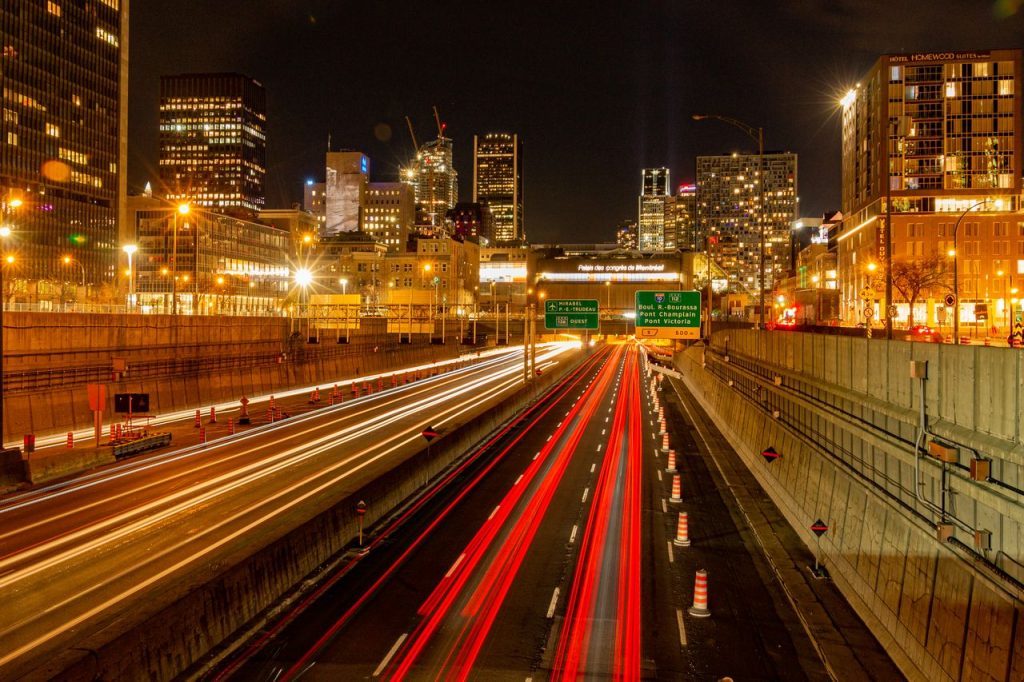
On a single block in Montreal’s Sud-Ouest, a family raised three kids in the same triplex for forty years. They watched the street change season by season, decade by decade. That family now lives next to a young couple who gutted the identical unit next door down to the studs.
What happens when a new generation moves to an old neighborhood rarely looks dramatic from the outside. It reshapes daily life in ways longtime residents notice immediately: different shops on the corner, different renovation choices, a different rhythm to the street.
Neither generation is wrong about what the neighborhood should be. They’re just building two different versions of it at once.
What Happens to a Neighborhood When a New Generation of Residents Moves In?
The most visible change usually starts with the housing stock itself, well before anyone notices the demographic shift underneath it.
Older triplexes and duplexes get renovated one at a time rather than all at once. Corner stores that served the same families for decades sometimes close, replaced by cafés and businesses aimed at a younger clientele.
Property values climb unevenly, block by block, as renovated units sell for more than untouched ones right next door.
None of this happens overnight. Buyers moving between cities often overlook exactly this kind
of gradual shift. They assume a neighborhood they’ve researched online will match what they
find in person. The reality on the ground usually lags behind, or runs ahead of, whatever version
showed up in their research.
Why Do So Many Newer Residents Buy Without Ever Living There First?
A growing share of newer residents commit to a neighborhood before they’ve spent real time in
it.
Sometimes the decision rests on nothing more than listing photos and a virtual tour. Often they’re relocating from another city or country entirely.
Remote job flexibility and competitive housing markets both push buyers toward faster decisions, sometimes made almost entirely online.
A detailed process for securing a home from afar has become common enough that entire guides exist just to walk buyers through it, from virtual tours to remote closings.
That approach
after the deal is already done, not before.
It’s one more reason the neighborhood’s transition can feel sudden to people who’ve lived there for decades.
What Are the Clearest Signs a Neighborhood Is Mid-Transition?
A handful of visible signs tend to show up together once a neighborhood starts shifting
generationally. Often no single one would raise an eyebrow on its own. Worth watching for:
- Renovated units and untouched originals sitting side by side on the same block
- New cafés, gyms, or specialty shops replacing longtime family-run businesses
- A noticeable gap between the asking prices of updated and unrenovated homes
- More short-term rentals or investment purchases alongside owner-occupied units
- Local community events splitting between older and newer resident groups
None of these signs means the neighborhood has fully changed. Together, though, they usually
mean the shift is well underway.
How Does This Shift Change What New Residents Actually Do Once They Arrive?
Moving into a neighborhood already mid-transition changes what settling in actually looks like, in ways a real estate listing never mentions.
New residents often have to build community from scratch. The existing social fabric was built by decades of shared history they weren’t part of.
Practical tips for settling into a new home in Montreal become especially relevant in this situation. The usual advice about finding a family doctor or a favorite bakery has to account for a neighborhood where half the businesses are new too.
Newer residents who make an effort to learn the block’s history tend to integrate faster than those who treat the move as a blank slate.
What Should Buyers Ask Before Committing to a Changing Neighborhood?
Buyers considering a neighborhood in transition benefit from asking sharper questions than the standard home-buying checklist, since a changing block carries risks a static one doesn’t.
Key questions every buyer should ask before making an offer already include the condition of the neighborhood itself.
A transitioning block deserves a follow-up question, though: how quickly is turnover happening, and what’s driving it?
Asking a local agent how many longtime residents remain on the block gives a clearer picture than a single walkthrough ever could.
What Do the Numbers Say About Montreal’s Generational Shift?
The generational divide between neighborhoods shows up clearly in the city’s own demographic data, not just in anecdotes traded between neighbors.
For example, the Plateau-Mont-Royal borough has the youngest average age of any Montreal borough at 37.4 years. Anjou, by contrast, has the oldest at 43.9 years.
That gap of roughly six and a half years doesn’t happen randomly. It reflects the same pattern playing out on individual blocks across the city, where younger buyers concentrate in specific neighborhoods and reshape them faster than the citywide average would suggest.
A Neighborhood in Motion, Not Erased
What happens when a new generation moves to an old neighborhood is rarely a clean handoff from one group to another.
It’s a longer overlap, one that can stretch across a decade or more, with renovated units next to untouched ones and new businesses next to family-run shops that have survived decades of change already.
Buyers moving into that overlap do well to ask harder questions before signing.
Il ne faut pas seulement s’informer sur la propriété, mais également sur la rue et le quartier où elle se trouve.
Ask not just about the home, but about the block it sits on. Before making an offer in a neighborhood you haven’t lived in yet, spend an afternoon walking it at different times of day, and talk to whoever answers the door next to it.