

As one of Canada’s most dynamic cities, Montreal offers a unique blend of history, culture and modernity that’s hard to resist. The city’s dynamism and appeal are undeniable, whether you’re attracted by its thriving job market, eclectic cuisine or rich artistic heritage. However, if you’re planning to relocate here, it’s essential to take a strategic approach to your move. This guide will take you through every aspect of relocating to Montreal, from choosing the right neighborhood to understanding the ins and outs of the local real estate market.
Why choose Montreal?
Embodying a unique fusion of European charm and North American dynamism, Montreal is a captivating city. Its dynamic arts scene, varied culinary offerings and renowned festivals make it a cultural hub. What’s more, its economic stability, bolstered by the technology, aerospace and design sectors, offers a wealth of employment opportunities. Living in Montreal also means adopting an active lifestyle with many recreational activities, from exploring Mount Royal Park to cycling along the Lachine Canal. What’s more, the city’s cost of living makes it possible to reconcile affordability with a high quality of life. An added advantage is the possibility of saving money when buying a property in Montreal, compared to other major Canadian cities. This financial aspect and the city’s attractive features make it an ideal place to settle.

If you want to live in a beautiful city, full of charm and energy, choose Montréal.
Search for neighbourhoods in Montreal
Moving to a new city isn’t just about choosing a home; it’s also about finding a neighborhood that suits our lifestyle. Here’s how to navigate this crucial step:
Getting to know the different neighborhoods
Montreal boasts a wide variety of neighborhoods, each with its own charm and unique character. From the trendy ambience of Plateau Mont-Royal to the historic elegance of Old Montreal, to the hustle and bustle of downtown, there’s something for everyone. Research the different characteristics of these neighborhoods to find the one that suits your tastes and preferences.
Assessing transportation and amenities
Consider the neighborhood’s proximity to essential services such as
grocery stores, schools, healthcare facilities and recreation centers. Also evaluate the
Proximity to work or school
To ensure that your daily commute goes smoothly, take into account the distance between your potential new home and your workplace or school. If possible, make a test run during the hours of your usual commute to get a clear idea of your daily routine.
Safety and a sense of community
Find out how safe the neighborhood is. Online resources, local news and discussions between residents can provide useful information. Also observe the community atmosphere. Do people seem friendly? Is a close-knit community? These factors can have a significant impact on your experience after moving to Montreal. By following these steps in your neighborhood search, you’ll find a place that feels like home, and your transition will be easier and more pleasant.
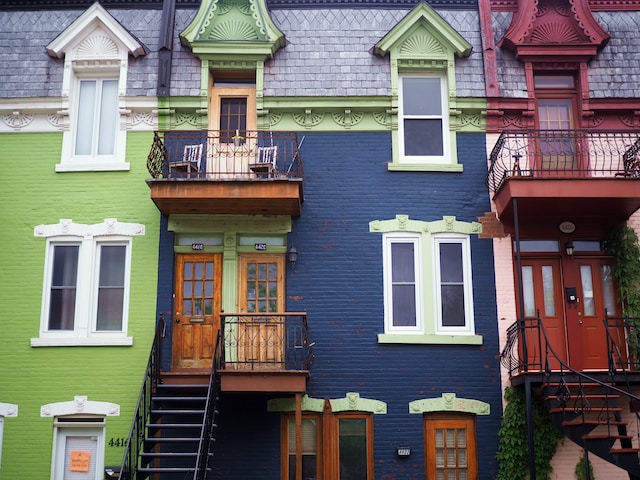
Different neighborhoods offer different housing options.
Understanding the real estate market
Knowing how to navigate the real estate market is a key step when moving to Montreal.
The market here is as diverse as its neighborhoods, offering everything from historic townhouses
to modern condominiums.
To understand current market trends, it’s helpful to review recent
data on home prices, market fluctuations and forecasts. Familiarize yourself
Legal requirements and visa procedure
As with any international move, moving to Montreal from another country involves meeting a number of legal requirements. One of the main aspects to consider is the process of obtaining a visa. The type of visa you need will depend on your situation – whether you’re moving for work, study or other reasons. It’s essential to familiarize yourself with the different types of visa, the application procedure and the associated deadlines.
Once you’ve obtained the right to live here, you’ll also need to think about the type of property you want to invest in. If you’re single, you may be wondering whether it’s better to buy a house or an apartment. This decision largely depends on your preferences, lifestyle and financial capacity. Both options have their advantages. A house can offer more space and privacy, while an apartment can provide a sense of community and less responsibility for upkeep. Whatever your choice, make sure you understand the legal processes involved in buying property in Montreal. In particular, you need to understand the role of a notary in real estate transactions in Quebec, the process of making an offer, and the legal requirements for closing a sale. By understanding these legal requirements and visa procedures, you’ll be better prepared to realize your dream of moving to Montreal.
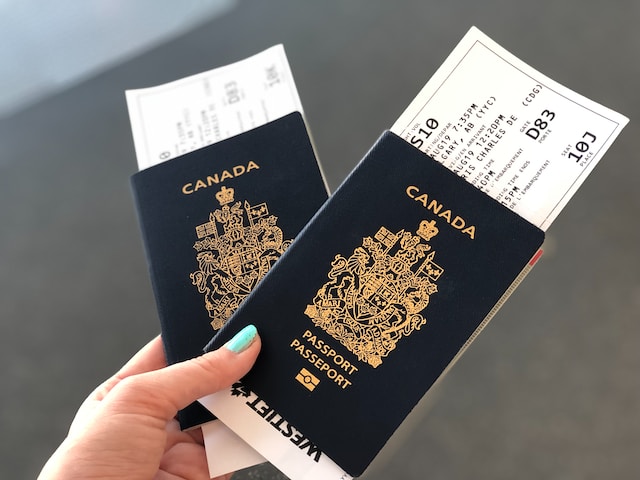
Find out about visa requirements.
Tips for a smooth transition: How to move to Montréal
While the logistics of a move can seem daunting, a few practical tips can ease your transition. Here’s your to-do list for a smooth move to Montreal:
● Learn French: Although many locals are bilingual, French is the official language. Having basic skills in French will make daily life and social relations easier.
● Understanding the culture:Familiarize yourself with local customs, traditions and etiquette. Respect for the local culture goes a long way to integrating into local life.
● Hiring professional movers: When moving from the U.S. to Canada, it’s very helpful to hire specialized international movers. They are experienced in handling cross-border logistics, which will help reduce stress.
● Set up essential services:Before you move, arrange to have utilities, Internet and other essential services installed in your new home.
● Update your address: Inform the relevant institutions of your move. This includes banks, insurance providers and government agencies.
● Connect with the community: Join local clubs or online groups to meet people and make friends in your new city. Moving to Montreal is a big step, but with the right planning, you can make your transition as smooth and enjoyable as possible. Remember, it’s not just about moving your belongings, it’s also about moving your life and creating a new home.
Conclusion
Montreal is a dynamic city that boasts a mix of cultures, a thriving job market and a superior quality of life. Understanding the ins and outs of moving to Montreal involves strategic steps, from researching neighborhoods to legal requirements, while ensuring a smooth transition. With this guide, you now have the knowledge you need to plan and execute your move effectively. Tackle this exciting chapter of your life with confidence, and don’t forget that the charm of the city is just waiting for you. We wish you the best of luck!
Meta: Move to Montreal with ease with this comprehensive guide. Discover neighborhoods, navigate the real estate market and ensure a smooth transition.
MC : Moving to Montreal
Images used :
https://www.pexels.com/photo/aerial-view-of-buildings-2889701/
https://www.pexels.com/photo/tower-on-body-of-water-under-blue-sky-9198038/
https://unsplash.com/photos/ZQD9cWknXf8
https://unsplash.com/photos/8d9jdqyGaQA