

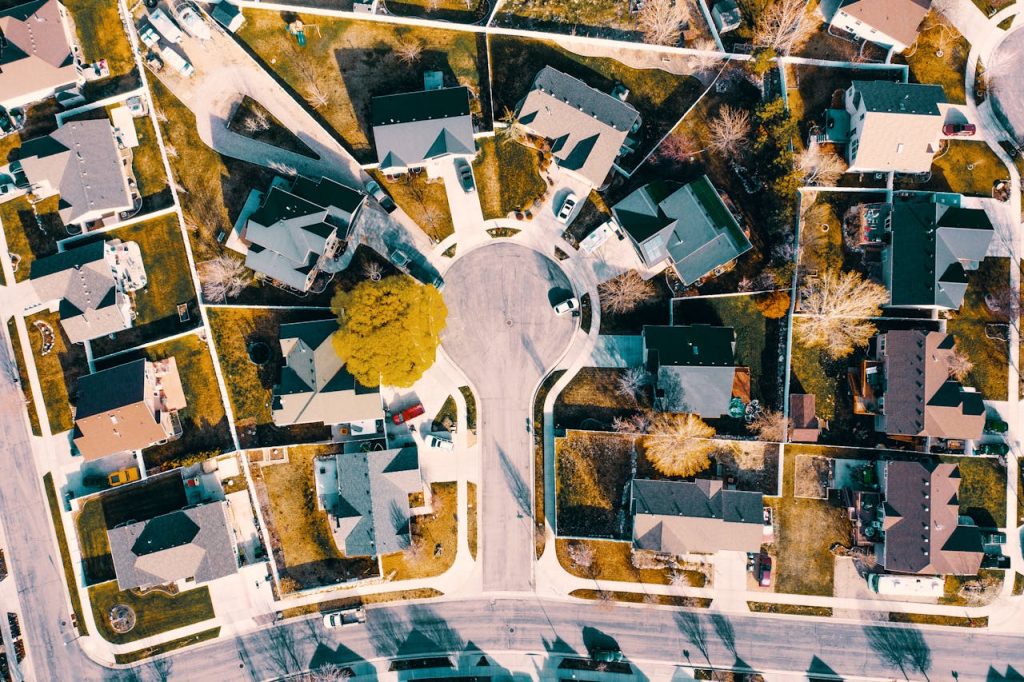
Buying real estate can be an exciting experience, but you also need to approach the process with a critical eye. It’s not enough to visit potential homes to fall in love with a place. It’s necessary to be vigilant and identify aspects that could prove onerous or problematic in the future. Let’s take a look at the main red flags to watch out for when you’re looking for a new home.
The most common red flags to watch out for when visiting a potential property
Unscheduled or inadequate maintenance
When visiting a potential home, the first thing to note is the general state of maintenance. Does the property show signs of neglect, such as peeling paint, unkempt lawns or a cluttered interior? These signs may be indicative of larger, even structural problems. A well-maintained home generally has owners who pay attention to small details and are more likely to have made major repairs. Repairs carried out by amateurs should also be examined, as they can sometimes conceal larger problems. Inquiries about maintenance or renovation work can give an idea of how the property has been cared for over the years.
Cracks and uneven floors
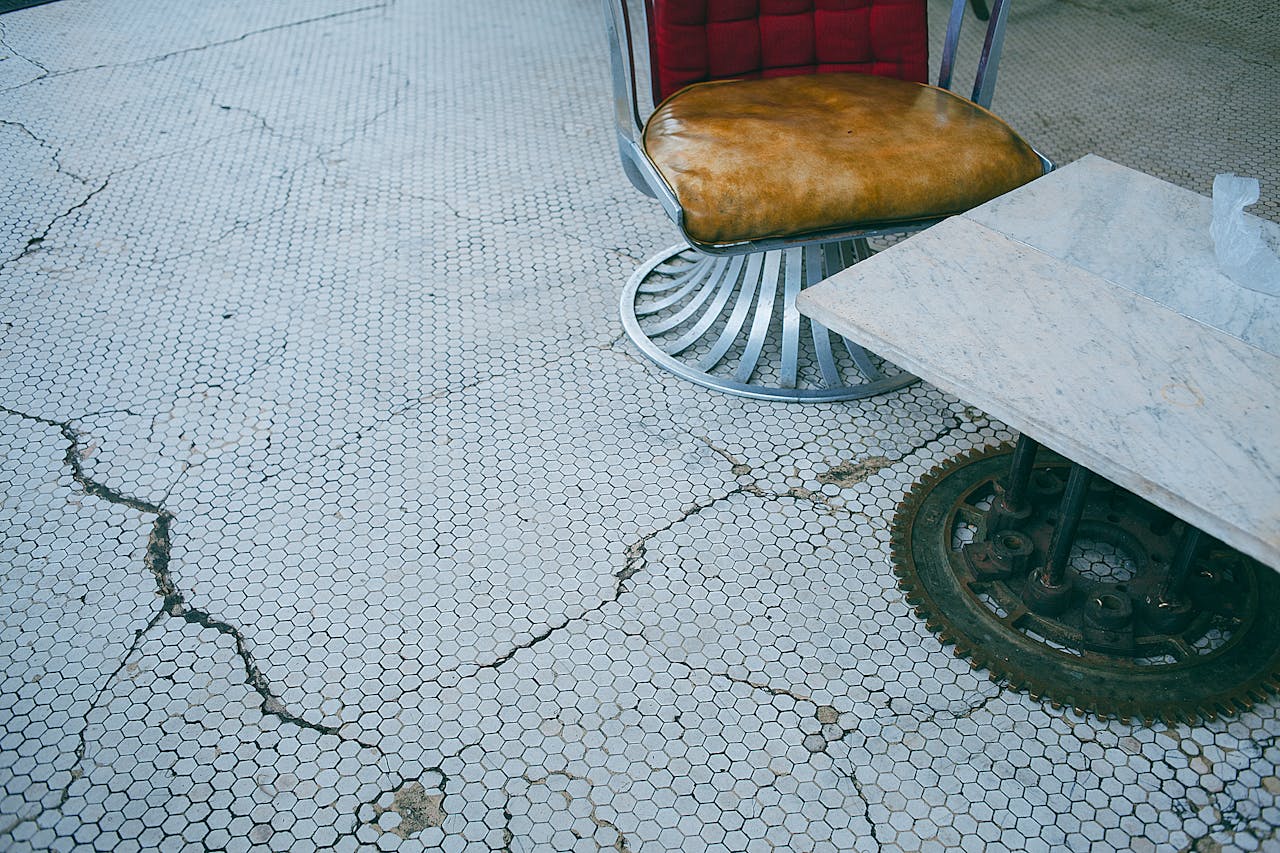
A home’s foundation is essential. While small cracks can be aesthetically pleasing, large gaps or uneven floors can signal major foundation problems. Doors and windows that jam or don’t close properly can be a sign of shifting or settling foundations, which can be a costly problem to solve. In addition, observe exterior walls for bulging or sloping, as these can also indicate foundation problems. It’s advisable to consult a structural engineer if you have any doubts, as he or she will be able to provide you with a detailed assessment.
Plumbing and water damage
Don’t hesitate to check under sinks, around toilets and in basements for signs of water damage or mold. Stains on ceilings and walls can also indicate leaks. Persistent moisture problems damage the home and lead to health problems due to mold growth. Also look out for any musty smells or signs of recent paintwork or repairs, which could be used to conceal water damage. Questions about the year of installation and the condition of the plumbing system, including pipes and drains, can provide additional information about potential problems.
Outdated wiring
An outdated electrical system can be a serious fire hazard. Look for signs such as old fuse boxes, flickering lights or an insufficient number of sockets, which could suggest that the system is in need of overhaul. Upgrading an electrical system can be costly and should be taken into account when viewing a potential property. Also look at the condition of the visible electrical network and ask if it has undergone a recent inspection. This can help you understand the extent of any necessary renovations and the potential costs involved.
Inefficient heating and cooling systems
Outdated or poorly maintained heating and air-conditioning systems can lead to high electricity bills and discomfort in extreme temperatures. When you visit your home, don’t forget to ask questions about the age of the heating, ventilation and air-conditioning system, and whether the temperature control is effective. It’s also a good idea to check whether these systems emit unusual noises or odors, which can be indicators of malfunction or inefficiency. The presence of portable radiators or fans may also indicate that existing systems are not suitable for the home.
Poor insulation and window problems
Good insulation and tightly sealed windows are essential for maintaining temperature and reducing noise. If you feel drafts near the windows or notice a lot of street noise, the house may be poorly insulated, which can be an expensive problem to solve. Checking attic insulation and looking for condensation between window panes can provide further clues to the home’s energy efficiency. In older homes, it’s particularly important to assess these aspects, as improving insulation and windows can represent a significant investment.
Roof condition
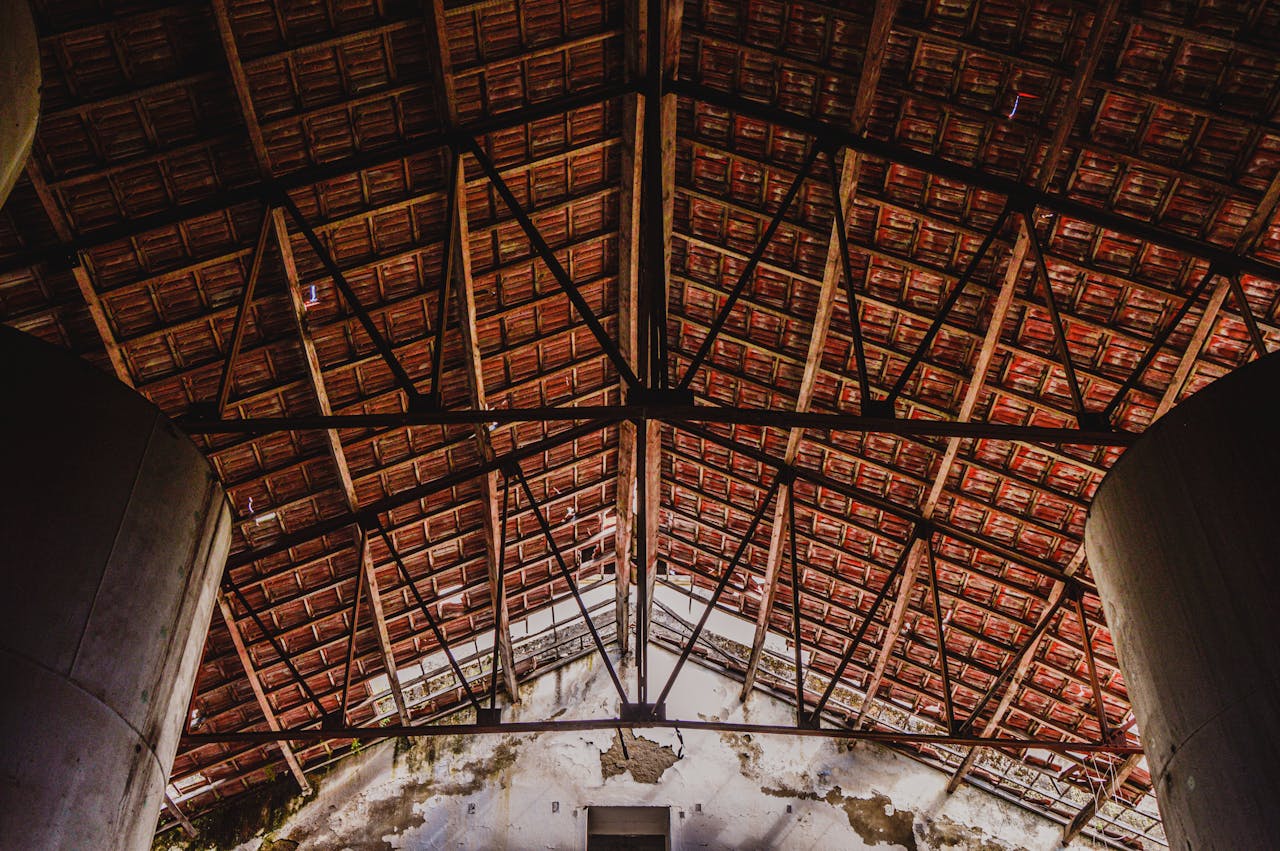
A damaged or aging roof can lead to leaks and costly repairs. Look for missing or loose shingles, signs of water damage on ceilings or sagging roof lines. Asking questions about the age of the roof and when it was last replaced can provide valuable clues. Also check for the presence of moss or algae, which can be a sign of long-standing moisture problems. It’s also a good idea to ask about attic insulation and ventilation, as poor ventilation in the roof can lead to higher energy costs and moisture problems.
Parasites and infestations
Signs of pest infestation, such as termite damage, rodent droppings or a heavy insect presence, should be a cause for serious concern. These problems can lead to structural damage and health problems, and pest eradication can be difficult. Look for signs of nesting and damage to wooden structures, and listen for noises in the walls. It’s also a good idea to ask whether treatments have already been carried out to combat pests, or whether any problems persist, as recurring problems may be a sign of a more serious infestation.
Neighborhood and location
Don’t just focus on the house, but also on the neighborhood. Factors such as a high crime rate, poor schools or the presence of a flood zone can affect your quality of life and the home’s resale value. It’s also worth assessing its general ambience, including noise levels, traffic and proximity to amenities such as parks, shopping centers and public transportation. Checking local zoning laws and future development plans can give you an idea of upcoming changes that could affect the neighborhood.
Regional considerations
When visiting potential properties, consider the challenges and advantages of the region. Suppose you’re moving from Ontario to Quebec and hiring movers; settling in Quebec presents a unique set of considerations. The climate, language and local regulations in Quebec can be very different from what you’re used to in Ontario. It’s wise to understand these regional nuances to ensure a smooth transition to your new home.
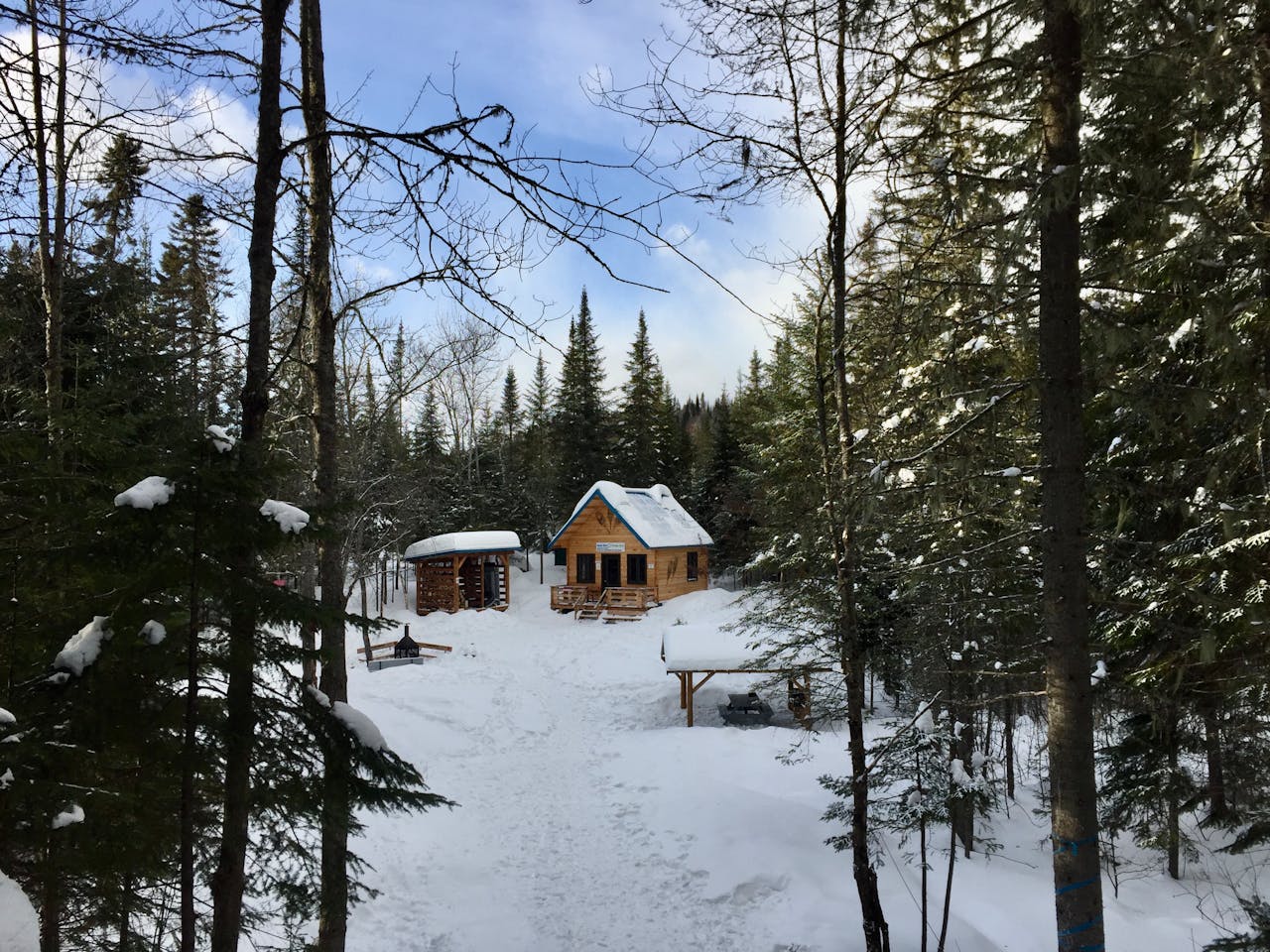
For example, winter conditions in Quebec can have an impact on a home’s maintenance requirements, particularly for heating and insulation. It’s essential to understand these local aspects, and it’s advisable to consult local experts or real estate professionals who are familiar with these regional specifics. This will help you find the right home and make informed decisions about the moving process, such as choosing the right time of year to move and choosing a moving company experienced in transitions between these provinces.
Making an informed decision
Visiting potential homes is an exciting process, but you need to keep an eye out for those red flags. It’s not just about finding a house that looks good, it’s also about making sure it’s a safe and sound investment. Taking the time to thoroughly inspect and evaluate each potential home will pay off in the long run, as it will help you find not just a house, but one that really suits you.