

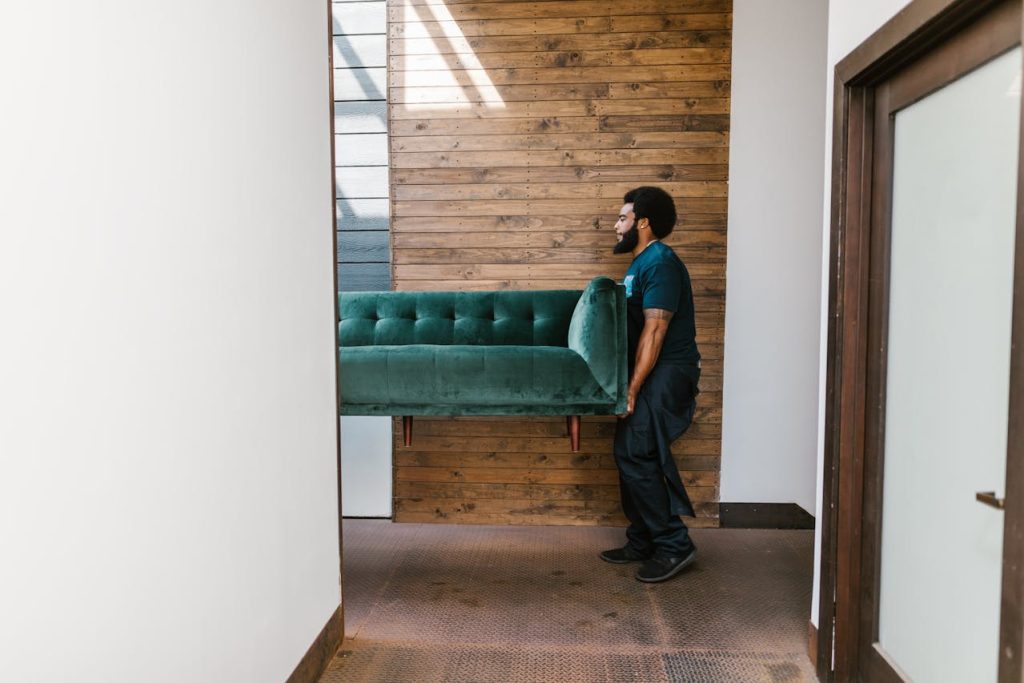
Moving into a new home is always exciting, but the experience becomes far smoother when certain renovations are completed before moving furniture in. An empty space gives you freedom to work without obstacles, dusting and repainting become easier, and contractors have full access without needing to maneuver around your belongings. With a little planning and the right approach, you can create a fresh, polished environment that’s ready for a comfortable move-in day.
Understanding the Importance of Pre-Move Renovations
Renovating before bringing furniture inside helps you avoid the frustration of rearranging heavy items repeatedly or covering everything with plastic while contractors work. It also allows for a fresh start—your floors, walls, fixtures, and utilities can be updated without disruption. Completing these renovations early saves time, protects your belongings, and minimizes stress.
Refreshing Walls With Paint or Wallpaper
Painting is one of the simplest renovation tasks, yet it can dramatically change the energy of a room. Fresh paint goes on smoother and cleaner in an empty space, and painters can work efficiently without needing to cover your furniture. If you prefer wallpaper, applying it before your move prevents adhesive from getting on your belongings and avoids accidental scraping or tearing while shifting items around.
Addressing Flooring and Carpeting Needs Before Moving Furniture In
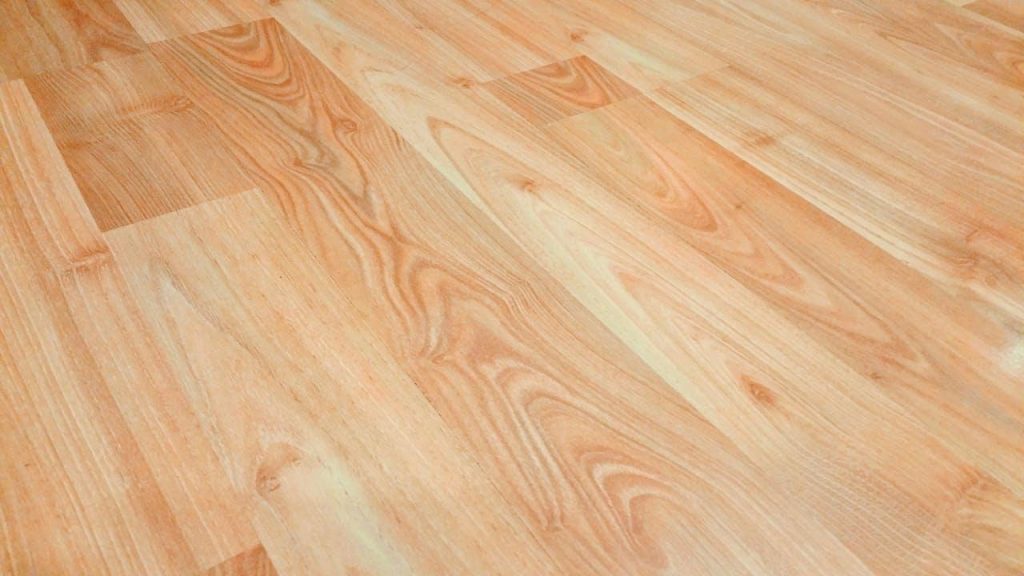
Old flooring is easier to replace when rooms are empty. Whether you’re installing hardwood, laminate, tile, or new carpeting, completing the job before move-in prevents dirt, dust, and construction debris from settling deep into brand-new materials. It also gives flooring plenty of time to cure or settle without furniture indentations or movement damage.
Updating Lighting Fixtures and Electrical Work
Lighting sets the tone for everyday living, but installing new fixtures can be tricky with bulky furniture in the way. Tackling electrical work in an empty home is safer and more efficient. Electricians can access outlets, switches, and ceiling wiring without needing to move items around. Whether you’re adding recessed lighting, updating chandeliers, or replacing outdated switches, this is a smart pre-move renovation.
Improving Plumbing Fixtures and Bathroom Elements
Bathrooms often need updates, and doing the work before moving furniture keeps construction mess contained. New vanities, faucets, showerheads, or toilets are easier to install when the surrounding rooms are empty. If you plan to re-tile a shower or replace bathroom flooring, completing it before move-in reduces moisture and debris from spreading throughout the house.
Enhancing the Kitchen Before Move-In
Kitchen upgrades are often messy and noisy. Replacing cabinet hardware, resurfacing countertops, updating appliances, or reconfiguring storage options is far easier when the home is unoccupied. Pre-move renovations eliminate disruptions and prevent cabinets or counters from being scratched by furniture or boxes.
Improving Insulation and Energy Efficiency
Upgrading insulation, sealing air leaks, and improving window efficiency are tasks that often require moving ladders, equipment, and tools throughout the home. Completing these improvements before furniture arrives makes the job faster and protects your belongings from dust and fiberglass particles. Better insulation can also lower your energy bills from day one.
Replacing or Refinishing Doors and Trim
Doors, trims, and baseboards contribute greatly to the home’s overall appearance. Refinishing or replacing them before your furniture arrives ensures a cleaner, sharper finish. Contractors can remove and reinstall trim pieces, sand surfaces, and repaint without risking paint splatters or dents on your belongings.
Upgrading Storage Solutions
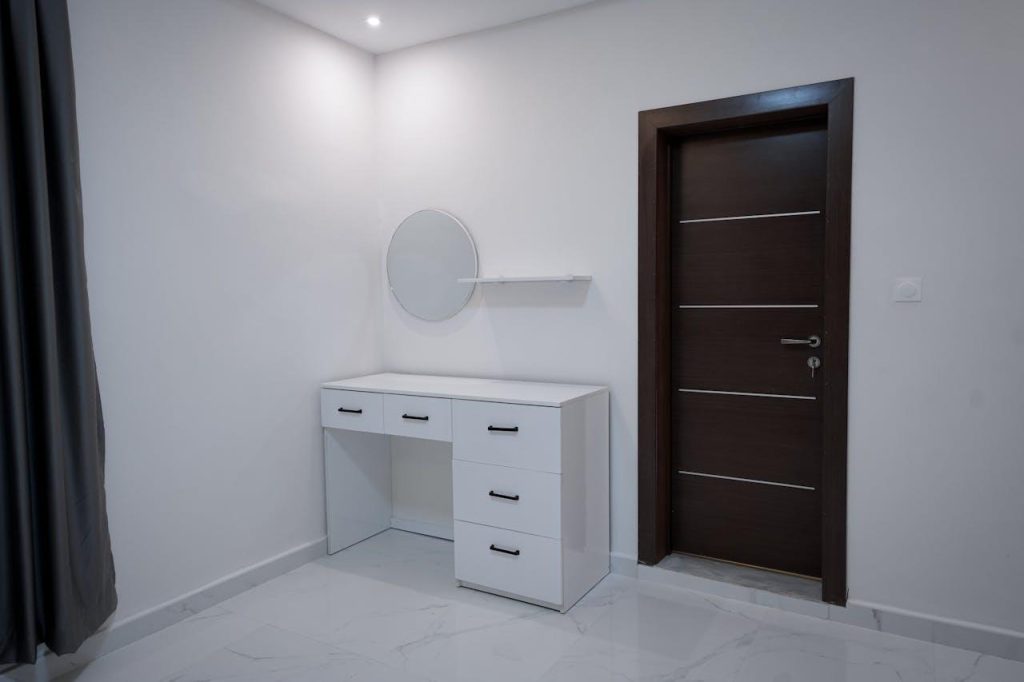
Closet systems, shelving, and built-in storage options are far easier to install before you unpack. Adding rods, drawers, or custom shelving now will give you a more organized and functional home later. Working on storage in an empty home allows you to design solutions based on your needs rather than making them fit around existing furniture.
Considering Long-Distance Logistics When Planning Renovation Timing
If your next step involves a long-haul move, timing becomes one of the most important parts of the entire process. Renovations must be finished before the movers arrive, especially when you want a smooth delivery and an easy setup. Many of the dos and don’ts of your long-distance move highlight the value of building your timeline early, creating a realistic budget, and deciding what travels with you—details that matter even more when construction work is underway.
A clear plan helps you avoid delays. That’s why, while planning your relocation, it’s smart to create a schedule that includes buffer time for curing, drying, or installation tasks. Stocking up on the right packing supplies for the move ahead of time also goes a long way toward ensuring the safety of your belongings, especially when boxes are sitting in a home still mid-renovation. This extra space protects you from last-minute stress and ensures your belongings enter a home that’s fully prepared and ready for use.
Checking HVAC and Ventilation Systems
Proper heating, cooling, and ventilation are essential for year-round comfort. Replacing filters, cleaning ducts, upgrading thermostats, or updating air conditioning units can be messy. Tackling HVAC updates ahead of time ensures clean air circulation from the moment you move in. It also allows technicians to perform detailed inspections without navigating around household items.
Ensuring Safety and Security Features Are Updated
That is the ideal time to test smoke detectors, electricity, carbon monoxide alarms, and security systems. Consider changing locks, updating deadbolts, or installing smart-home features before any personal belongings arrive. It’s easier to perform a full security check when rooms are empty, and you gain peace of mind knowing your home is protected from day one.
Touching Up Exterior Features Before Move-In
While exterior work may seem unrelated to interior renovations, it’s helpful to handle tasks such as repairing handrails, fixing porch steps, or repainting the front door before moving furniture inside. These improvements enhance curb appeal and make unloading day smoother, giving movers safer access to the entrance.
Preparing the Home for a Clean, Smooth Move-In
Once the major renovations are complete, a deep cleaning ensures that your new space is dust-free and ready for move-in. Without furniture blocking floors and walls, cleaning teams can work thoroughly and efficiently. Completing this step before moving day gives you a fresh, comfortable home environment the moment you walk through the door.
A More Enjoyable Transition
Completing renovations before moving furniture in creates a smoother, cleaner, and more enjoyable transition. With open space to work, contractors can complete tasks quickly and safely, and you avoid the hassle of rearranging heavy items or protecting expensive belongings from construction debris. Whether you’re painting walls, replacing flooring, updating lighting, or preparing for a long-distance relocation, early planning makes all the difference. By taking time to enhance your home ahead of move-in day, you ensure that every room welcomes you with comfort, style, and readiness for the life you’re about to build there.