

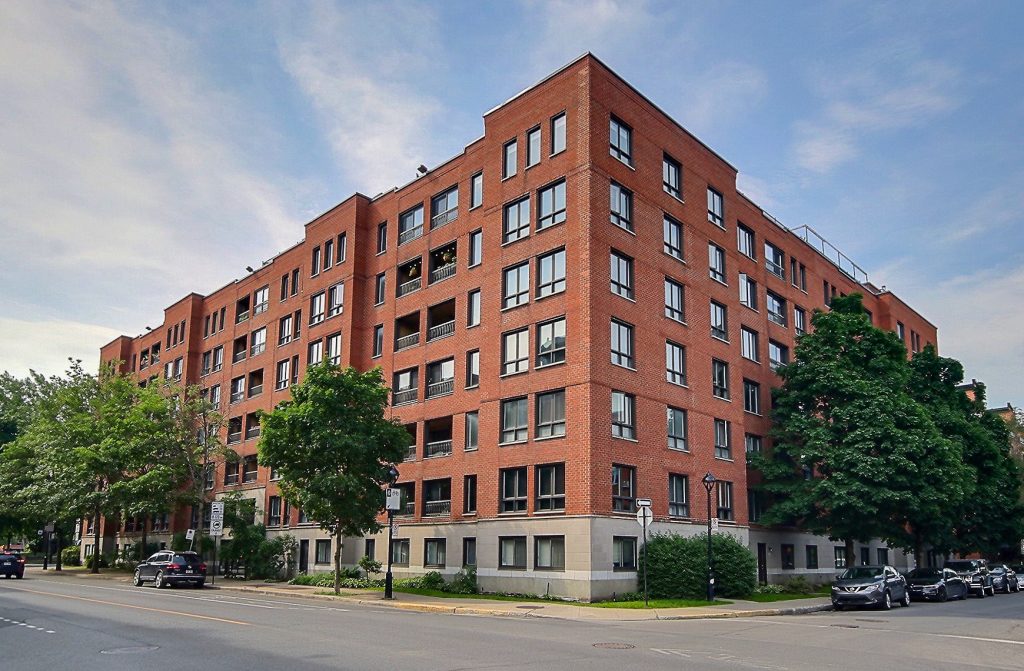
It’s an obstacle course. Whether you’re buying property for the first time or making real estate investment your hobby, finding the perfect property that meets all the criteria is hard work. Fortunately for you and for us, it’s not an impossible task. All you have to do is look and you’ll find it. All it takes is a little time and a keen eye for detail. And a list of things to check. So let’s get started. Take a look at our list of things buyers should check when inspecting a property, and you’ll be able to determine whether or not the property of your dreams passes the test.
Inspection 101
You pull into the driveway, approaching what could be your property for the rest of your life. The real estate agent is waiting for you. The facade is perfect, the breeze rustles the leaves of the silver maple, the lawn is impeccably mowed. You’re not out of the car yet, but you’re already in love. What’s more, the broker is a born charmer and, lucky for you, you’ve always wanted a mantelpiece like this! The hardwood floors are shiny and new; you can still smell the freshly painted walls, all in exquisite shades. The divisions are ideal, and you say to yourself, “I’ve finally found the right property.” Not so fast. As the saying goes, all that glitters is not gold… Before you sign, caution is advised.
Be meticulous
Beauty is certainly in the eye of the beholder. But unless you have X-ray vision, all you can see is the immediate appearance of things. Everyone loves properties that look good, both inside and out. Nevertheless, as a buyer, you’re there to look beyond appearances, assess the premises and make the final decision. After a professional property inspection, there are only two possible scenarios: 1. It’s the one, I’ll buy it! 2. Can you show me other properties for sale?

What you need to know
A professional property inspection differs considerably from an appraisal. A home inspector acts like a detective with a checklist, knowing exactly where and what to look for to uncover any hidden potential damage. Safety and functionality are his priorities. An appraiser, on the other hand, looks at the aesthetics of the property and assesses its market value.
Soil and structure
The foundation is the central element of any property. And you want them to be straight! The home inspector will look for any signs of cracks. If there’s any vegetation near the foundation, he’ll pay particular attention to the soil and whether it appears to be subsiding, or is at risk of doing so. The property inspection checklist also includes these items:
- Drainage is functional – watch for signs of stagnant water.
- The sides of the property appear straight – no sagging or bowing.
- The windows and door frames have retained a square appearance.
- The bricks appear to be in good condition – no cracks in the joints.
- No peeling of exterior paint.
- Exterior structures (detached garages, sheds, decks, fences) show no signs of wood rot or termite damage.
- The chimneys are straight and show no signs of damage.

The roof
The health of your property’s roof is just as important as that of its foundation. The roof protects the entire structure from damage (and the people who live beneath it). Roof repairs are notoriously expensive. That’s why any professional inspector will give it special attention.
- Tiles and shingles: none are missing, and there’s no sign of damage.
- Wood: no signs of rot or termite damage.
- Metal: even the sturdiest should be rust-free.
Interior inspection
First-time buyers often make mistakes when choosing a property. To avoid these mistakes, we strongly recommend that you have your property inspected by a professional, which will give you peace of mind. It takes a trained eye to know where to look and what to look for.
From attic to basement
Because the basement is just above your foundation, and the attic is just below your roof, these are the two most important parts of any property. The attic is the lower part of your roof, so the inspector will check for water damage and make sure the insulation is properly installed. Ductwork, plumbing and wiring will all be on his list, and he’ll pay particular attention to the condition of electrical joints. Basement requirements are similar: no water leaks, no cracks in the foundation, and no signs of wear to the wooden structure.
Plumbing and electrical systems
Your home inspector will check all pipes and faucets, making sure there are no signs of rust, leaks or damaged parts, and that the hot water system is working properly. On the heating side, electrical panels, heaters and wiring will all be inspected. The electrical system will also be evaluated. The inspector will ensure that voltage requirements comply with standards. As for safety systems, the seller may be asked to test smoke and carbon monoxide detectors.
Interior parts
One of the biggest advantages of hiring a professional to inspect your property is the leeway to negotiate the price of the property if it reveals any worrisome problems. Here’s what he’ll check inside:
- Floors, walls and ceiling – no signs of water damage or cracks.
- Lights, plugs and fans will be checked in each room.
- Windows and doors must show no signs of water damage or rot, and must open, close and latch as required, without sticking or rubbing against surfaces.
- All appliances must be in working order.

Kitchen and bathroom
The inspector will check the functionality of drawers and cabinets, and look for any potential damage to woodwork, countertops and tiles. The garbage disposal must be operational. He’ll check that water flow is sufficient (as well as hot and cold water pressure) and make sure exhaust fans are working properly. The inspector will also look for any leakage problems in and around the bathtub, shower or toilet, and thoroughly examine each drain. Toilet flushing and filling are also on the list.
In brief
Knowing the potential secrets of your dream property is crucial. The buyer’s property inspection checklist is in your hands now, and it’s up to you to decide whether to do it yourself or call in an expert. Whichever you choose, make sure you’re well informed before you sign for your property.