

A sectional that will not turn the corner of a Plateau staircase can sour the first day in a new home. Most buyers fall for a listing’s light and layout without knowing whether their bed, dining table, or piano will actually fit.
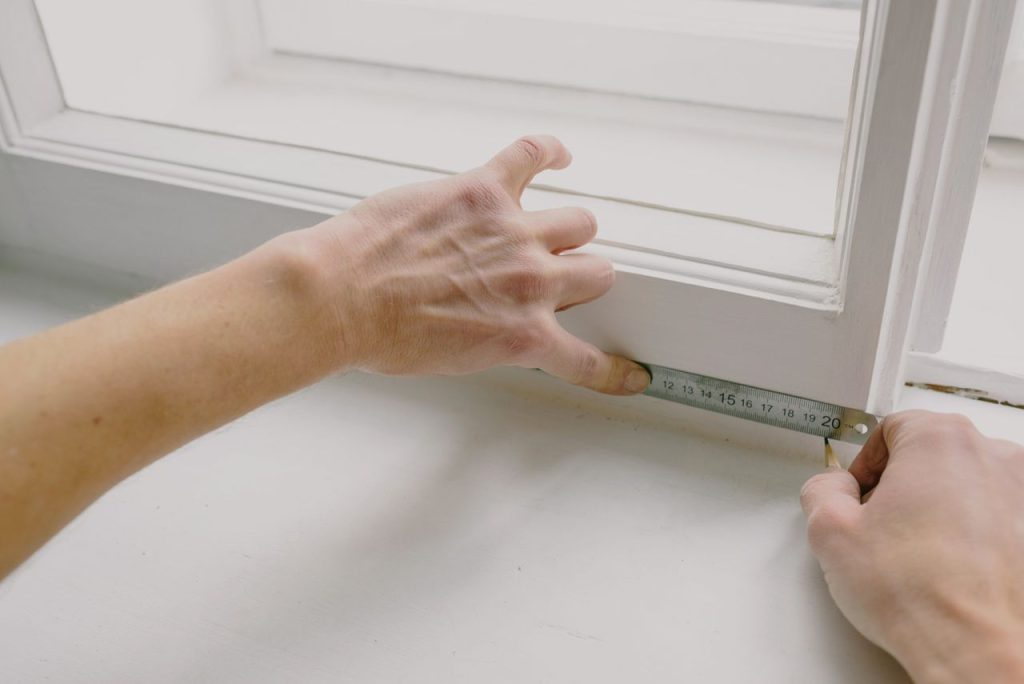
Knowing what to measure in your current home before moving gives you a reliable baseline before you tour a single property. Those numbers help you judge listings faster, plan the move better, and avoid paying to transport furniture that never makes it through the door.
Why Should You Measure Before You Start House Hunting?
Measuring first turns vague preferences into concrete requirements. Saying you want a bigger kitchen means little until you know your current counters run 3.2 metres and still feel cramped. With real numbers, you can compare floor plans quickly and rule out homes that look spacious but will not hold your life. Montreal listings often give room sizes in feet, so record both units if you can.
With real numbers, you can compare floor plans quickly and rule out homes that look spacious but will not hold your life. Montreal listings often give room sizes in feet, so record both units if you can.
The same numbers help in both directions, whether you are upsizing or scaling back. Buyers moving into a smaller condo often discover that soundstorage strategies for downsizing start with a measured inventory of what they already own. Knowing those dimensions early gives you time to sell, donate, or replace pieces instead of deciding on moving day.
Quels meubles devriez-vous mesurer avant de déménager?
Commencez par les meubles les plus volumineux, particulièrement ceux qui seraient difficiles ou coûteux à remplacer.
Start with the large pieces that would be hardest or most expensive to replace. Record the height, width, and depth of each one, and photograph it with the tape measure visible for easy reference. Diagonal depth is the distance from a sofa’s top back corner to its front bottom edge. It decides whether the piece can tilt through a doorway.
These items deserve priority:
- Sofas and sectionals, including the diagonal depth for tight turns
- Beds and headboards, especially king frames and storage beds
- Dining tables, with leaves both in and out
- Wardrobes and dressers, which often fail on staircase height
- Pianos, desks, and fitness equipment, which need special handling
Measuring also reveals what is not worth the trip. A dresser that barely fits your current bedroom may not fit at all in a smaller one. Moving it only to sell it later wastes money.
Leaving oversized pieces behind is one of the simplest ways to make the relocation more affordable, because movers usually price by volume, weight, and time.
Which Everyday Spaces Should You Measure Besides Furniture?
Measure the spaces you use every day, because they define how comfortable a new home will feel.
Count the linear metres of hanging space in your closets, the length of usable kitchen counter, and the number of shelves in your pantry. Note the size of your entryway storage and laundry area too, along with the space your car, bikes, and winter gear need.
If those numbers come out larger than what a condo offers, creative storage solutions like under-bed drawers or wall-mounted shelving can help close the gap.
These measurements expose daily friction that listings rarely mention. A home office that needs a 1.5-metre desk, or a household that dries laundry indoors through Montreal winters, has real space requirements. Writing them down keeps you from trading a functional routine for a prettier room that does not work.
Why Does Montreal’s Moving Day Make Early Measuring So Valuable?
Early measuring saves stress in Montreal because so many households move at once. Most residential leases in Quebec begin and end around July 1. Global News coverage of Montreal’s 2023 moving day put the number of households moving that day at roughly 115,000.
Trucks, crews, and even parking spaces book up weeks in advance. Booking movers early with accurate dimensions also leads to more reliable quotes. The city’s housing stock adds its own challenge. Many plexes in neighbourhoods like the Plateau, Rosemont, and Verdun have narrow exterior spiral staircases that large furniture cannot climb.
Measuring stairwells, landings, and balcony doors in a prospective home tells you whether a piece needs hoisting, disassembly, or a new owner before moving day.
How Should You Use Your Measurements During Viewings?
Bring your measurements to every viewing, along with a tape measure and a floor plan if the listing provides one. Check the rooms that will hold your largest pieces first, then the doorways and stairs that lead to them.
A laser measure speeds this up and lets you record dimensions without moving the seller’s furniture. Keep your notes organized by room in a phone app or a simple spreadsheet.
Add photos of tricky spots, such as low ceilings under stairs or radiators that cut into wall space. When two homes feel equally appealing, those notes often decide which one fits your life better.
How Can Your Measurements Help Sell Your Current Home?
The same measurements help you prepare your current home for sale. Once you know which pieces will not come with you, you can sell or remove them before listing photos, which makes rooms look larger.
Measured pieces also make staging easier, since you know exactly what fits each wall. Buyers respond to open floor space, clear walkways, and furniture that suits the scale of each room.
Editing furniture early also supports minimalist design, a simple approach that helps buyers picture their own belongings in the space. Clearing bulky items before the first showing reduces the work left for moving week. It also gives you an honest preview of how your next home should feel.
Let the Tape Measure Guide Your Next Move
Knowing what to measure in your current home before moving turns house hunting from guesswork into a clear comparison. Furniture dimensions, daily-use spaces, and stairwells together reveal which homes will truly work for you. They also show which belongings are worth the trip and which should stay behind.
A few hours of measuring now can save days of frustration later. This weekend, grab a tape measure, record your ten largest pieces and key storage spaces, and bring that list to your next viewing.