

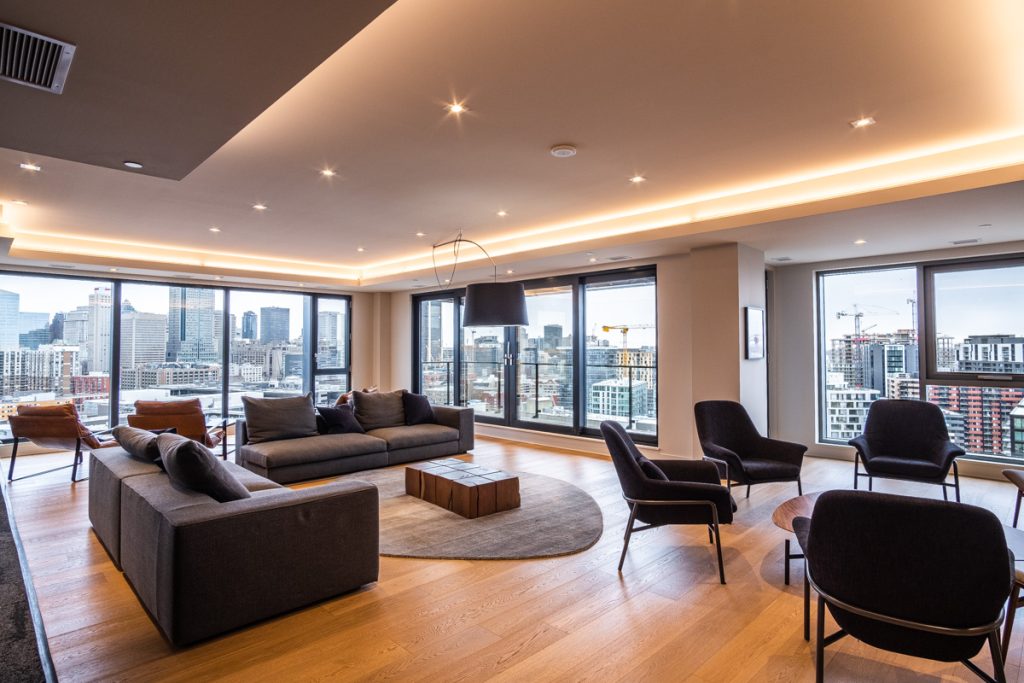
Buying a home is stressful enough, but if you also have a disability that requires you to adapt your home, the challenge is even greater. There are very few accessible propertieson the Canadian real estate market –that is, properties adapted to the needs of people with disabilities. You’ll have a much better chance of finding a suitable property in the price range you’re willing to pay if you can count on a team of experienced professionals at your side. Here are a few useful tips prepared for you by Groupe immobilier Katia Samson to help you find an experienced real estate broker and locate accessible properties in the area of your dreams.
Train your real estate team
When it comes tobuying any type of property, especially if it’s affordable, you’ll need a listing broker to sell your current property (if you already own one) and help you find a new one.
If you want to buy an accessible property, you can also recruit the following professionals to give you a hand:
- Occupational therapists
- Certified Aging in Place Specialists (CAP or CLIPP)
- Home accessibility consultants
- Property developers and builders (if you want to build an accessible property)
Finding accessible homes
If you or a member of your household has a disability or mobility problem, there are several important features to look for when purchasing an accessible property. Among other things, you’ll want a property with a single-level floor plan, wider hallways and doorways, a stair elevator or freight elevator (if the property has stairs), lower countertops and cabinets. Direct access to the outside in case of fire is also important. Also consider a threshold-free shower, ramps in the bathroom, smooth flooring, an open-plan layout and low-maintenance landscaping and outdoor spaces.
Unfortunately, it won’t be easy to find a property that meets all your accessibility needs – so you’ll need to make some modifications. These modifications can make your accessible property even safer, according to Age Safe Canada. They will also allow you to enjoy a more comfortable living environment, and remove some of the barriers that prevent you from moving freely around the property. Of course, when you budget for the purchase of your property, you’ll need to add the cost of these modifications to the asking price. In fact, you could save money by buying a property as is and having the work done so you can live there with the comfort you need.
Tips for home business owners
If you run a home-based business and need to find an accessible property that meets your needs, the requirements of your disability or incapacity, and those of your business and other family members, there are a few other details to think about too. First, look for a property with enough living space to accommodate an office that will meet your needs. The MYMOVE website offers some practical advice on how to create a home office that will be accessible and allow you to work efficiently.
Secondly, you could set up a Limited Liability Company(LLC) before purchasing a property accessible as a home-based business operator. There are affordable online services for setting up such a company, and you may even be able to benefit from tax advantages by acquiring the property through such a company. However, it’s important to consult a tax advisor or lawyer before choosing to use your LLC to purchase a property, as this purchase could affect your capital gain and property taxes down the road.
In conclusion
The residential real estate market still has a long way to go to meet the requirements of people living with disabilities or mobility issues. However, our tips will make it easier for you to find a property that is accessible or that you can adapt to your needs. You can also go online to search for properties for sale in your area, or retain the services of an experienced real estate broker to guide you through the process.