

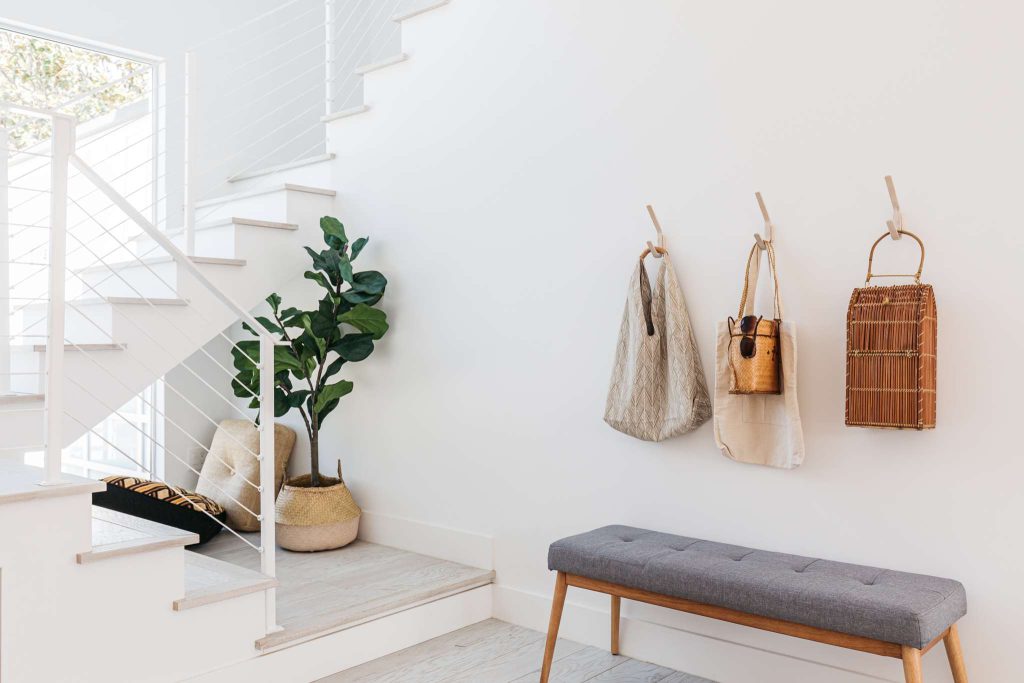
The entrance often sets the tone for everything that follows in a home. It’s the first space visitors see and the last space they leave. A well thought-out layout combined with intelligent storage can reduce chaos and create visual order. This area is not only functional, it also reflects personal style. Carefully chosen furniture, lighting and accents speak volumes without saying a word. Neutral tones, clean lines and natural textures can work together to create comfort. Soft lighting and minimalist décor make the space feel open rather than cluttered. Creating an entrance that welcomes and organizes begins with practical choices that support daily routines. With this in mind, it pays to spend time getting things right from the outset.
Defining space with a purpose
An entrance should be intentional, not an afterthought. Use rugs or carpets to define the area without adding clutter. Lighting can also help anchor the space and highlight focal points. Choose fixtures that suit the scale of the entryway and bring warmth. Take note of the dimensions and flow of circulation before adding furniture. A small entryway doesn’t limit style; in fact, going vertical can expand your options. Wall hooks, high shelves or slim storage units make use of every inch. Natural light can brighten the entryway, making it larger and more welcoming. Keep the layout clean and practical. Every element must support daily habits. In short, design should always support the use of space. The best time to create a welcoming entrance? Certainly during the spring cleaning of your home.
Furniture that works hard
Choose furniture that promotes both storage and simplicity. A bench with built-in compartments keeps shoes, scarves or umbrellas out of sight. Slim consoles are ideal for holding keys, mail or other small items you use every day. Wall hooks or lockers work well for bags, jackets and hats. These features help reduce clutter and keep things in their place. Think vertical if space is tight: tall units can store more without taking up floor space.
Also, choose pieces that serve more than one purpose. For example, a bench can be both a seat and a storage unit. A narrow table can serve as a mail sorter and decorative display. Choose finishes and shapes that match your style, but keep surfaces uncluttered. In short, every piece of furniture should offer functionality without overwhelming the room. With this in mind, focus on what helps you stay organized from the moment you walk through the door.
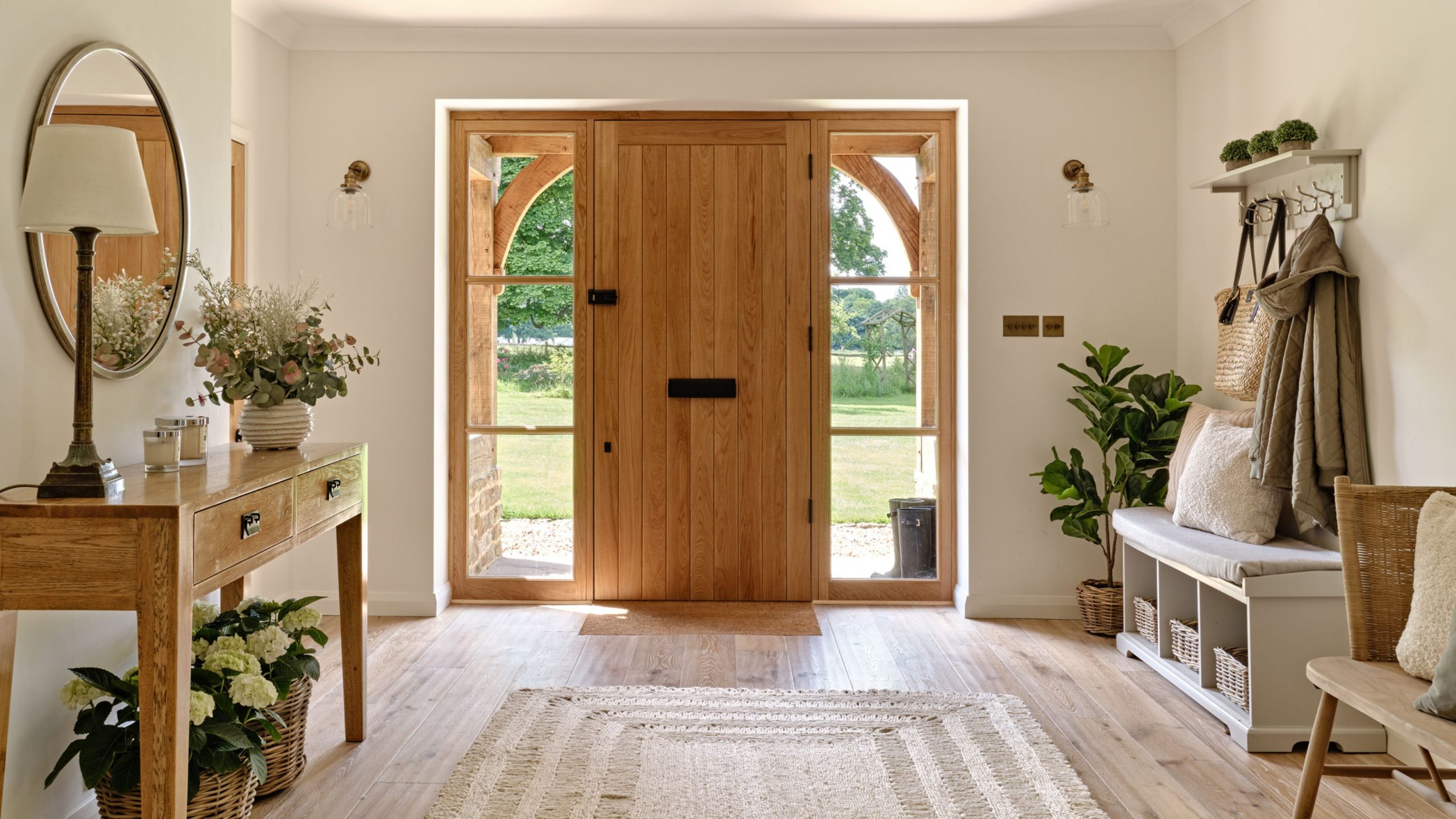
A bench is an excellent piece of furniture for the entrance – it can be both elegant and practical.
Add personality with clutter-free wall decoration
Wall decoration adds meaning without taking up floor space. Artwork or framed photos can set the tone and make the area feel complete. Choose pieces that reflect your style, but don’t clutter the walls. Showing your personality by hanging photos in your new home helps define the entrance while adding warmth. A large frame can create impact, while a small gallery in neutral tones adds character. Use floating shelves to display small objects without cluttering surfaces.
Mirrors are also useful: they open up the space and reflect natural light. Choose streamlined shapes like circles or rectangles to keep things tidy. Rotate artwork with the seasons or update frames to refresh the look. Above all, choose elements that make sense. Avoid filling walls just for decoration. Instead, let each piece add to the atmosphere of your entryway. Keep the layout balanced so that it’s open, not cluttered. In short, decorate walls with purpose and clarity.
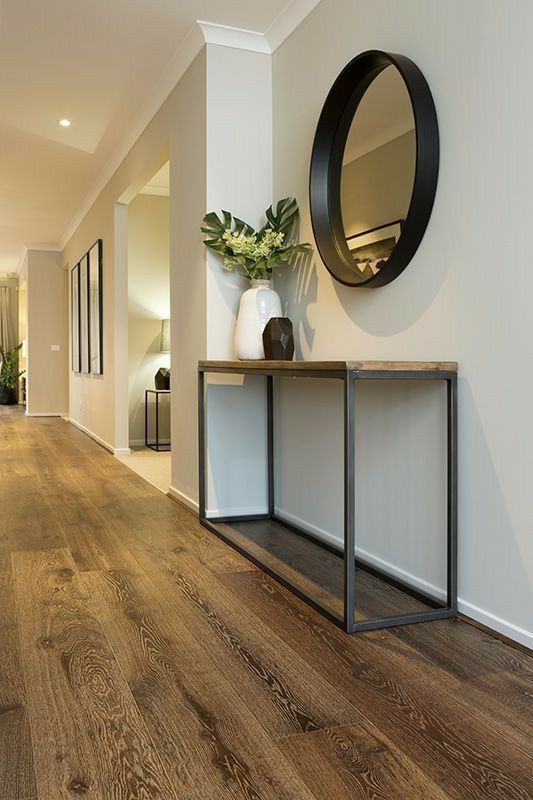
Artwork on walls, decorations or flowers are perfect for making a good first impression on anyone visiting your home.
The art of hidden storage
Hidden storage helps keep your entryway tidy without sacrificing design. Use baskets under benches to hold shoes, hats or bags. Choose styles that slide in easily to save time on busy mornings. Wall-mounted organizers are perfect for keeping everyday items visible, but off the floor. Use them for mail, sunglasses or pet leashes. Closed cabinets offer more storage while hiding visual clutter. They’re perfect for storing items you don’t use daily, but still need near the door.
Think vertically: stacked shelves or tall cupboards take up space that is often unused. Label bins or drawers if several people use the same area. This helps everyone keep things in their place. In short, every item should have a designated place. With this in mind, keep only what you need in the space. Fewer items make it easier to maintain order every day without adding extra effort.
Seasonal exchanges to keep things fresh
Changing a few small details each season can keep your entryway fresh and clean. Change rugs, cushions or doormats with seasonal colors or textures. Fresh flowers look great in spring. Use scents like citrus in summer or cedar in winter to create a subtle ambience. Rotate baskets, trays or wall hooks to refresh visual interest. Keep bins or boxes nearby to store out-of-season items.
Updates should feel natural rather than forced. Small exchanges make a big difference. These decorations will be excellent not only for you, but also in the future, should you decide to sell your home.
The power of daily decluttering
An organized entryway starts by clearing out what doesn’t belong. Set up drop zones for bags, shoes and keys to avoid daily messes. Labelled bins make it easier to find what you need and put it back quickly. Train everyone in the house to use the same areas every day. Over time, this creates a routine that keeps things under control. Creating an entrance that welcomes and organizes depends on simple habits that stick. Avoid throwing mail, coats or random items near the door.
With this in mind, check the space once a week and remove anything that doesn’t belong. Small steps taken every day reduce clutter and give the impression that the entrance is open. In short, keep only what you use and need. Everything else should be stored elsewhere or removed. This keeps the area clear and maintains a calm start and end to the day. However, downsizing shouldn’t compromise style. So think carefully.
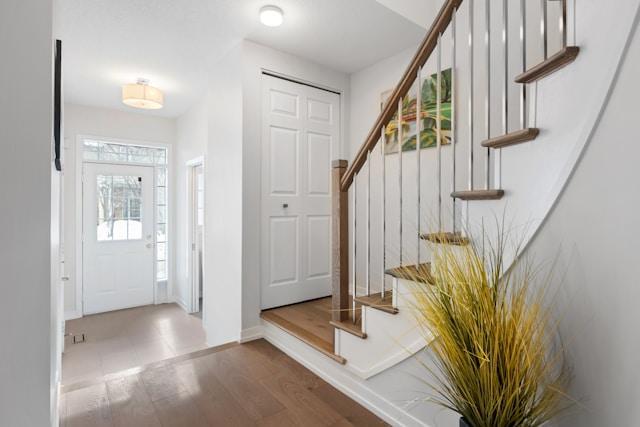
If you want to create an entrance that welcomes and organizes, you need to pay attention to clutter.
Create an entry that works every day
Creating an entrance that welcomes and organizes starts with smart design choices and everyday habits. Focus on function, style and simplicity. Use furniture wisely, reduce clutter and refresh the space seasonally. In short, a well-thought-out entrance sets the tone for your entire home and helps keep everything in its place.