

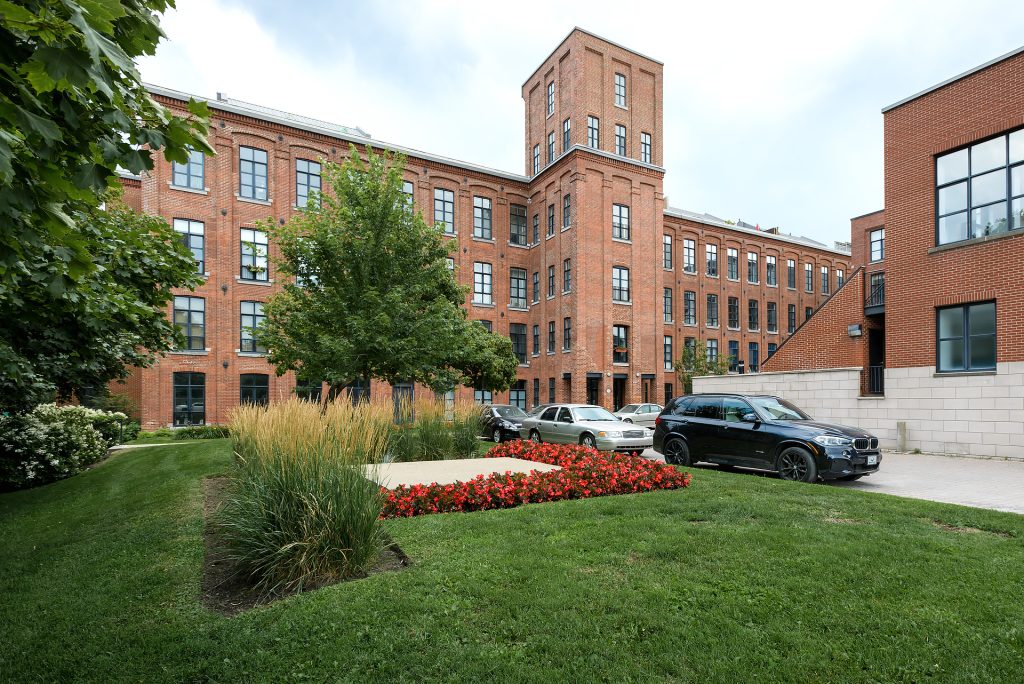
Buying a property is a difficult and time-consuming process. There are so many things to consider. Everything takes time and effort, from the budget to the choice of location and all the paperwork. Not to mention the fact that you’re probably juggling buying and selling a property at the same time! However, there’s one question you should know the answer to before you start scrolling through the ads: which option is better, buying a new property or an older one? If you ask a professional, you’ll get as many answers as there are brokers. Some say that older properties are a better investment.
On the other hand, some would argue that you can’t go wrong with a new property. But most would agree that it all depends on your needs, wishes and priorities. Of course, both options have their advantages and disadvantages. In this article, we’ll explore the pros and cons of both options and help you make the right choice for your situation.
Factors to consider before making your decision
Deciding whether to buy a new or an older property depends in part on why you’re buying it. Is it an investment property that you plan to rent out? Is it
Your experience is another factor to consider. For example, buying a fixer-upper may be a riskier proposition for someone who has never done it before. Assessing damage and repair costs can be difficult. After all, even experienced investors can make the wrong decision from time to time.
And don’t forget to consider the location. Are property prices in the area rising or falling? What are the long-term prospects? Spending a little more money can be a good investment if you’re sure that the price of your property will continue to rise in the years to come.
When is it better to buy an older property?
We often tend to think that new is always better. And in many cases, this is true. For example, buying a new laptop or a new car is undoubtedly a better option. However, this same rule doesn’t apply to real estate. And while buying an older home carries certain risks, it also has significant advantages.

Benefits
Here are some of the advantages you can expect when buying an older property:
- You can use a comparative market analysis to determine the price – by checking the prices of similar properties on the market, you can establish the price with greater certainty.
- You can check the property in person and carry out any necessary inspections.
- Unique appeal – older properties and buildings tend to have more charm and character of their own.
- More land – older properties often have larger plots, landscaped gardens and trees that have been there for generations.
- Intelligent renovations and upgrades can significantly increase the value of your property (ideal for homeowners and investors alike).
- All necessary infrastructure and amenities are likely to be already in place (unlike a newly built area).
- Lower price – depending on your finances, buying an older property may be a more economical option.
Disadvantages
However, there are certain risks that you must also take into account:
– Hidden problems – although they may look good from the outside, older properties may have significant structural defects and require extensive repairs.
– You may be limited when it comes to renovating and improving your property – you’ll need to check zoning and other regulations before doing anything.
– You’ll need to examine the title carefully – ownership, reservations, easements, etc.
– Higher maintenance costs – even if your home has no major problems, keeping it in good condition is likely to be more expensive.
– Utility costs – older properties are sometimes not up to modern standards in terms of the materials used (for insulation, for example), which means you’ll probably spend more on electricity and heating.
When is it worth restoring an older property?
The risks we’ve just mentioned may seem daunting. However, it may be worth buying if the property you’re interested in doesn’t have any major defects, e.g. in plumbing, roofing, electricity, etc. Intelligent improvements can solve minor problems at low cost and make your investment worthwhile in the long term. Clever improvements can solve minor problems at low cost and make your investment worthwhile in the long term.
What’s more, you don’t have to renovate the whole property at once! Instead, you can store your belongings for the short term and tackle one room at a time. This has many advantages: your items will be safe, away from (potentially) messy renovations, and you can modernize your property at your own pace.

When is it best to opt for a new property?
While new properties aren’t always a better option, they sometimes are. Let’s take a look at the pros and cons of buying a new property.
Benefits
Here are the benefits you can expect from buying a new property:
– They are more likely to comply with modern building codes and benefit from the latest technologies and innovations.
– Lower utility and maintenance costs
– New homes come with guarantees
– You have more say in the final details (custom finishes, etc.).
– Open floors and large living spaces are more common than in older properties
– The advantages of tax depreciation are more attractive to investors.

Disadvantages
However, before making a decision, it is best to consider the disadvantages:
– Construction delays are always a possibility
– Price may increase due to cost overruns
– Infrastructure may be under development
– It can take some time for your property to appreciate in value
– Higher price – it’s never easy to negotiate prices, but new properties tend to be more expensive than older ones (even 30% more).
– Limited outdoor spaces – new properties tend to focus on living spaces and minimize outdoor areas.
Things to remember
Buying old or new – which is better? There’s no one-size-fits-all solution, and the final answer will be different for every buyer. That’s why, before you decide, it’s essential to weigh up the pros and cons of both possibilities. Consider your priorities and wishes, as well as your needs and lifestyle. This will help you make the right decision and be happy with your choice for years to come.